
Unanswered Questions On Authentic Thai Restaurants That You Should Know About
- JoleneQrv89618809
- 2
- 0
Walking into a busy Thai restaurant, you are immediately met with an wonderful symphony of aromas. The air is filled with the fresh scent of lemongrass, the earthy punch of galangal, and the rich, sweet promise of coconut milk. It is a sensory preview of the delicious journey to come. For many diners, writing a Thai food review is both a pleasure and a difficult task, an attempt to capture the vibrant and layered dance of flavors that defines this celebrated cuisine. A truly insightful review goes beyond simply stating whether a dish was good or bland; it dives into the essence of what makes Thai food so special and exciting.
The primary indicator of any genuine Thai restaurant is its Tom Yum Goong. This signature soup is a true measure for the kitchen's harmony and willingness to use spice. A spoonful should be an experience. The initial sour tang from lime juice and lemongrass hits first, quickly followed by the spicy blast of bird's eye chilies. Then, the deep umami richness of a well-crafted shrimp stock ties it all together. A review that notes a "perfectly harmonious Tom Yum" where no single flavor overpowers the others, but instead they all create a chorus, speaks volumes about the chef's skill. Conversely, a flat or one-dimensional Tom Yum is often the first sign that the kitchen might be holding back for less adventurous palates.
No discussion of Thai food is complete without Pad Thai. This world-renowned stir-fried noodle dish is a popular choice, yet it is often a dish that distinguishes ordinary restaurants from outstanding ones. A great Pad Thai review will mention the feel of the rice noodles, which should be soft but still have a slight chew. The sauce should be a subtle blend of sweet, from palm sugar, and sourness, from tamarind, with a touch of saltiness from fish sauce. It should never be too sugary or ketchup-heavy. The presence of juicy, high-quality shrimp, well-cooked tofu, and the critical topping of crushed peanuts and a slice of lime are all key elements that elevate a review from vague to insightful.
For those seeking a genuine taste of Thailand's traditional cooking, Som Tum, or green papaya salad, is a must-order. A review of this dish reveals a lot about the writer's taste and the restaurant's authenticity. The ideal Som Tum is a riot of textures and tastes. The shreds of unripe papaya provide a crunchy, refreshing base for a dressing that is incredibly spicy, sour, and slightly sweet all at once. The pungent note of fermented fish sauce and the briny pop of dried shrimp add layers of savory depth. A review that praises the "bold heat" and "textural carnival" of the Som Tum indicates a restaurant that is not cutting corners.
When reviewing curries, careful description is key. Distinguishing between a rich, gentle Panang Curry and a pungent, herbal Green Curry shows a better insight. A good Panang review will note the richness of the coconut milk, the hint of roasted peanuts, and the tenderness of the beef. A Green Curry review, on the other hand, should highlight the fiery heat from fresh green chilies and the characteristic aroma of Thai basil and kaffir lime leaves. Mentioning the freshness of the ingredients, such as using fresh herbs, or the use of eggplants that remain firm, adds a layer of critique that is invaluable to fellow diners.
The final act of any authentic Thai restaurant Bozeman meal, the desserts, also deserve thoughtful commentary. Mango with Sticky Rice is a standard for a reason. A review should note the ripe, fragrant taste of the mango against the slightly salty, creamy coconut sauce poured over warm, glutinous rice. The balance is what makes the dish magical. Describing the feel of the rice and the ripeness of the mango can be the distinction between a simple recommendation and a great argument to save room for dessert.
Finally, a stellar Thai food review does more than just list dishes and assign a rating. It captures the essence of the experience. It comments on the service, whether it was warm and attentive or harried and cold. It mentions the atmosphere, from the bustling energy of a family-run eatery to the sleek modern design of a fine-dining restaurant. It acknowledges the value, weighing the quality and portion sizes against the price. The most useful reviews tell a story. They convey the joy of discovering a ideal flavor, the watering eyes from a authentically fiery dish, and the comforting warmth of a meal that feels both exciting and nourishing. They guide readers not just to a nice dinner, but to an genuine and unforgettable taste of Thailand.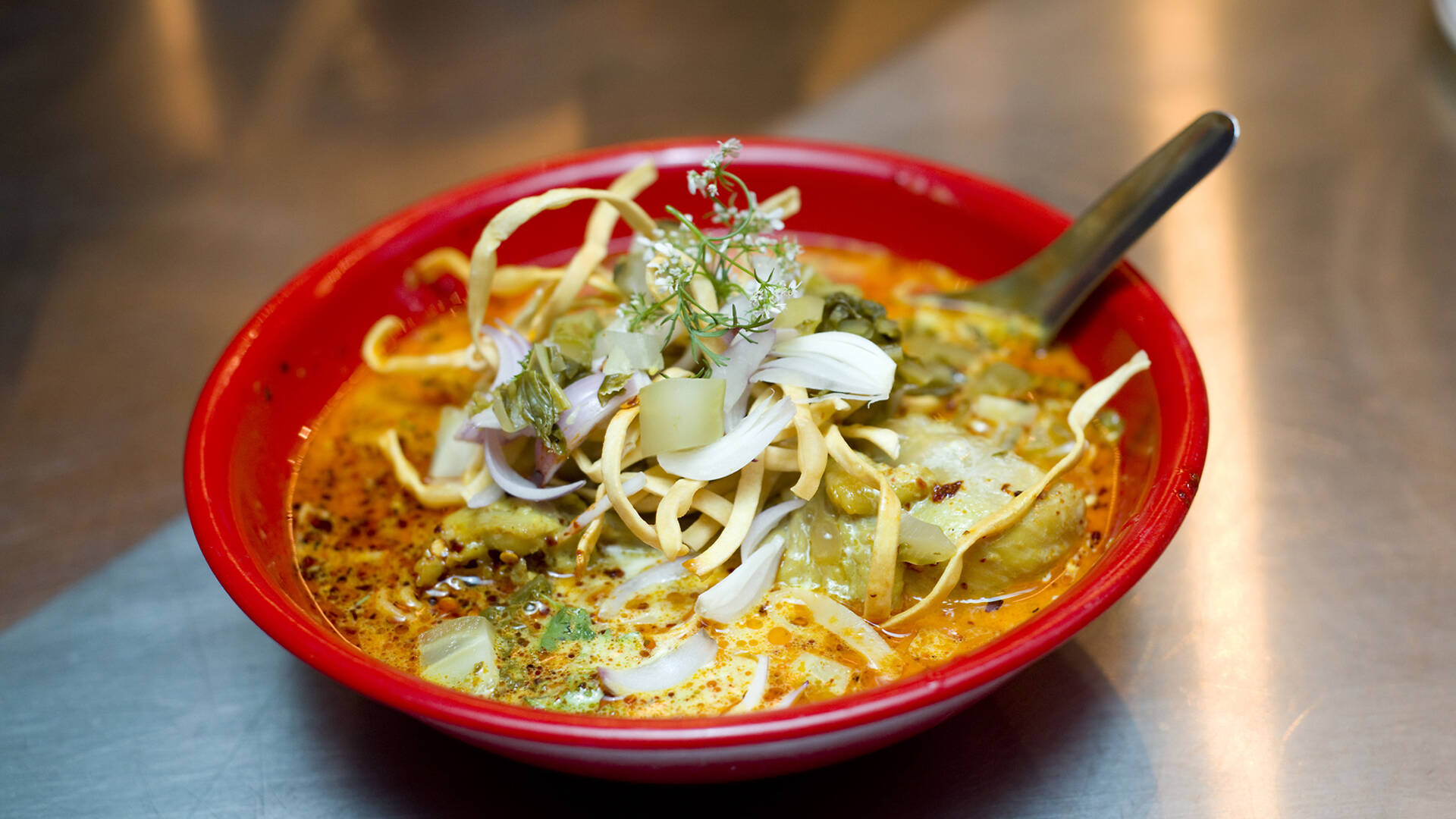
The primary indicator of any genuine Thai restaurant is its Tom Yum Goong. This signature soup is a true measure for the kitchen's harmony and willingness to use spice. A spoonful should be an experience. The initial sour tang from lime juice and lemongrass hits first, quickly followed by the spicy blast of bird's eye chilies. Then, the deep umami richness of a well-crafted shrimp stock ties it all together. A review that notes a "perfectly harmonious Tom Yum" where no single flavor overpowers the others, but instead they all create a chorus, speaks volumes about the chef's skill. Conversely, a flat or one-dimensional Tom Yum is often the first sign that the kitchen might be holding back for less adventurous palates.
No discussion of Thai food is complete without Pad Thai. This world-renowned stir-fried noodle dish is a popular choice, yet it is often a dish that distinguishes ordinary restaurants from outstanding ones. A great Pad Thai review will mention the feel of the rice noodles, which should be soft but still have a slight chew. The sauce should be a subtle blend of sweet, from palm sugar, and sourness, from tamarind, with a touch of saltiness from fish sauce. It should never be too sugary or ketchup-heavy. The presence of juicy, high-quality shrimp, well-cooked tofu, and the critical topping of crushed peanuts and a slice of lime are all key elements that elevate a review from vague to insightful.
For those seeking a genuine taste of Thailand's traditional cooking, Som Tum, or green papaya salad, is a must-order. A review of this dish reveals a lot about the writer's taste and the restaurant's authenticity. The ideal Som Tum is a riot of textures and tastes. The shreds of unripe papaya provide a crunchy, refreshing base for a dressing that is incredibly spicy, sour, and slightly sweet all at once. The pungent note of fermented fish sauce and the briny pop of dried shrimp add layers of savory depth. A review that praises the "bold heat" and "textural carnival" of the Som Tum indicates a restaurant that is not cutting corners.
When reviewing curries, careful description is key. Distinguishing between a rich, gentle Panang Curry and a pungent, herbal Green Curry shows a better insight. A good Panang review will note the richness of the coconut milk, the hint of roasted peanuts, and the tenderness of the beef. A Green Curry review, on the other hand, should highlight the fiery heat from fresh green chilies and the characteristic aroma of Thai basil and kaffir lime leaves. Mentioning the freshness of the ingredients, such as using fresh herbs, or the use of eggplants that remain firm, adds a layer of critique that is invaluable to fellow diners.
The final act of any authentic Thai restaurant Bozeman meal, the desserts, also deserve thoughtful commentary. Mango with Sticky Rice is a standard for a reason. A review should note the ripe, fragrant taste of the mango against the slightly salty, creamy coconut sauce poured over warm, glutinous rice. The balance is what makes the dish magical. Describing the feel of the rice and the ripeness of the mango can be the distinction between a simple recommendation and a great argument to save room for dessert.
Finally, a stellar Thai food review does more than just list dishes and assign a rating. It captures the essence of the experience. It comments on the service, whether it was warm and attentive or harried and cold. It mentions the atmosphere, from the bustling energy of a family-run eatery to the sleek modern design of a fine-dining restaurant. It acknowledges the value, weighing the quality and portion sizes against the price. The most useful reviews tell a story. They convey the joy of discovering a ideal flavor, the watering eyes from a authentically fiery dish, and the comforting warmth of a meal that feels both exciting and nourishing. They guide readers not just to a nice dinner, but to an genuine and unforgettable taste of Thailand.


